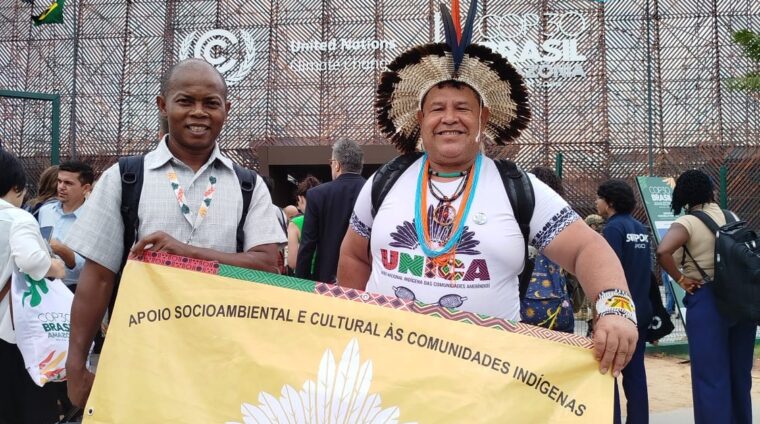

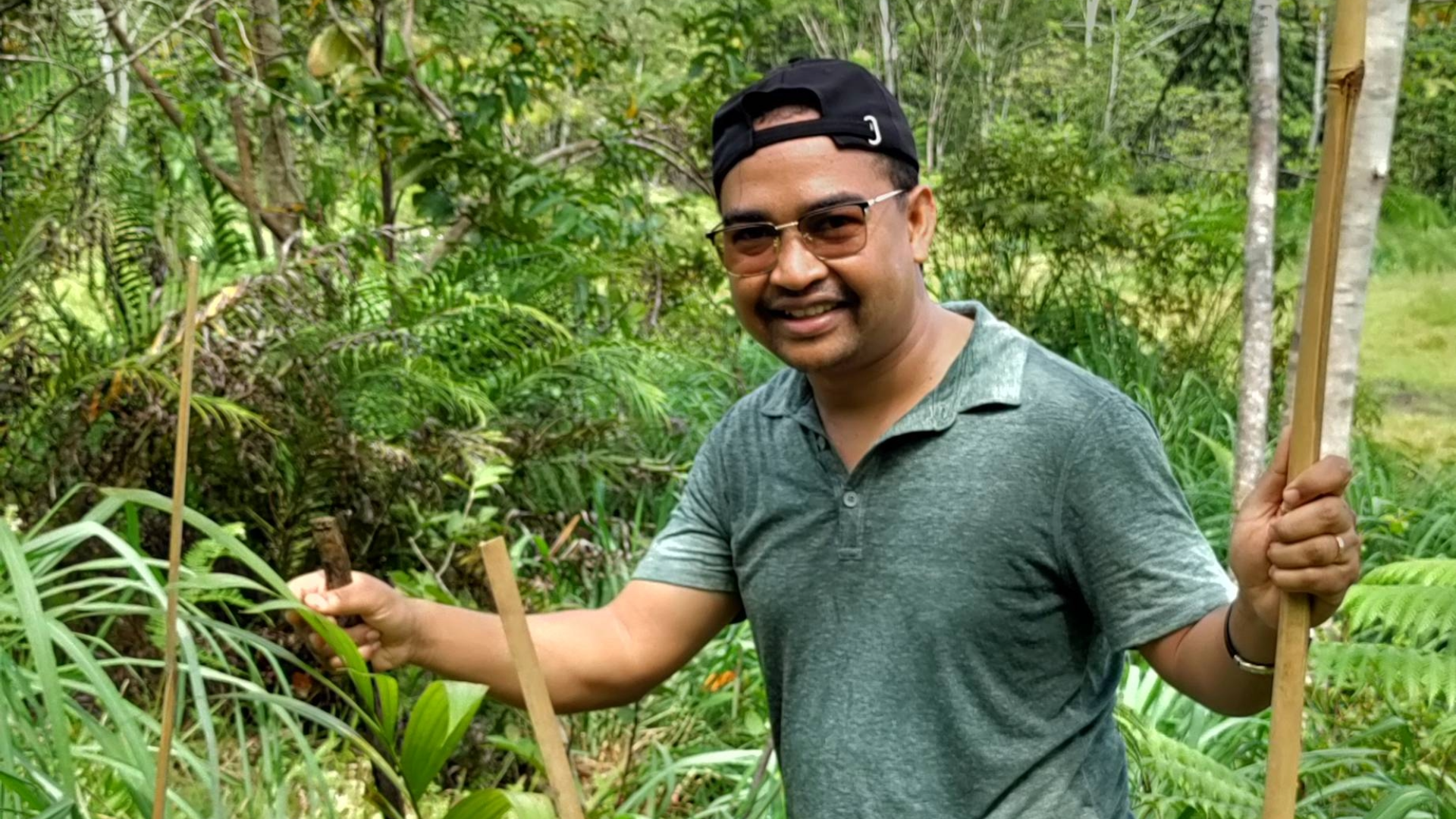
Representatives from our partners the Centre Arrupe Madagascar are once again taking part in the COP climate talks, which begin today (Monday, 10 November) in Belém, Brazil.
They live and work in one of the most at-risk countries on the planet when it comes to climate change and its effects, and they see the conference as a great opportunity to raise awareness of this.
Efa Ravelonantoandro, Programme Manager for Environment and Sustainable Development at the Centre Arrupe, says: “Due to its limited capacity for adaptation, particularly in terms of infrastructure, its high exposure to climate events as an island nation, and its strong sensitivity with rich natural resources and biodiversity on one hand and more than 75 percent of its population living below the poverty line on the other, Madagascar is among the most climate vulnerable countries in the world.”
This is despite its citizens doing little to cause it, as many developed nations continue to emit greenhouse gases through polluting industries such as mining, fossil fuels, cement production, intense agriculture production, and transport.
What’s more, despite repeated commitments made at past COPs, implementation remains weak. It means developing countries continue to bear the weight of climate debt, face injustices in the energy transition, and struggle with declining food sovereignty.
How has climate change impacted Madagascar?
- In the North, Cyclone Batsirai, for example, and other extreme weather events have repeatedly devastated homes, crops, and livelihoods.
- In the South, especially in the regions of Androy, Anosy, and Atsimo-Andrefana, prolonged droughts and desertification continue to cause hunger, water scarcity, and displacement.
- In the East (Atsinanana) and West (Menabe), locust invasions have become increasingly frequent, destroying crops and threatening food security.
- In the capital, Antananarivo, the national electricity company struggles with reduced rainfall, which affects hydropower production and leads to recurrent power shortages.
What are they asking for at COP30?
- The reaffirming of past commitments.
- The cancellation of climate debt.
- Promotion of an effective implementation of the Loss and Damage Fund.
- A just and equitable energy transition.
- The strengthening of food sovereignty through the promotion of agroecological practices.
Efa adds: “Our team aims to build partnerships by presenting our climate project proposals to potential technical and financial partners attending the conference. It seeks support for concrete climate resilience initiatives in Madagascar and expresses our full support for the Jesuit Climate Justice advocacy, which promotes social and ecological justice at global and local levels.”
What do they want to see by the end of COP30?
- Strong participation and unity among delegates from developing countries, along with genuine engagement from developed nations, especially those committed to climate justice, resilience building, and the promotion of both mitigation and adaptation measures.
- Tangible progress, including the simplification of procedures for accessing climate funds, so that vulnerable nations such as Madagascar can take more effective actions against climate change.
More news

Jesuit Missions’ Companion in Hope supporters gather for Jubilee Mass
Jesuit organisations look back at the positives and negatives of COP30
How COP30 offered some signs of hope to climate-vulnerable countries