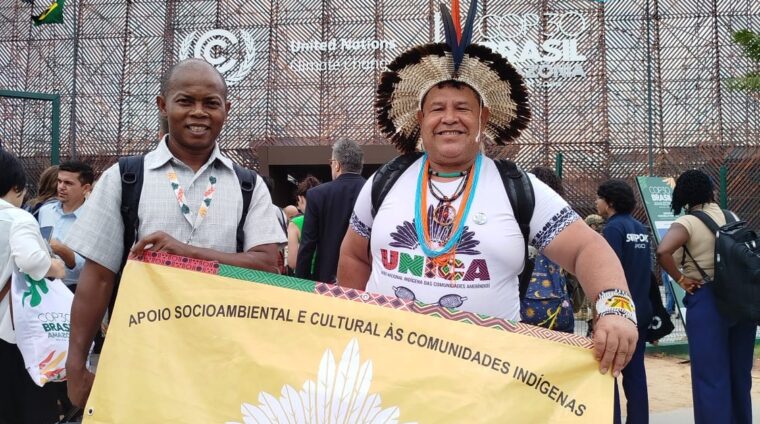
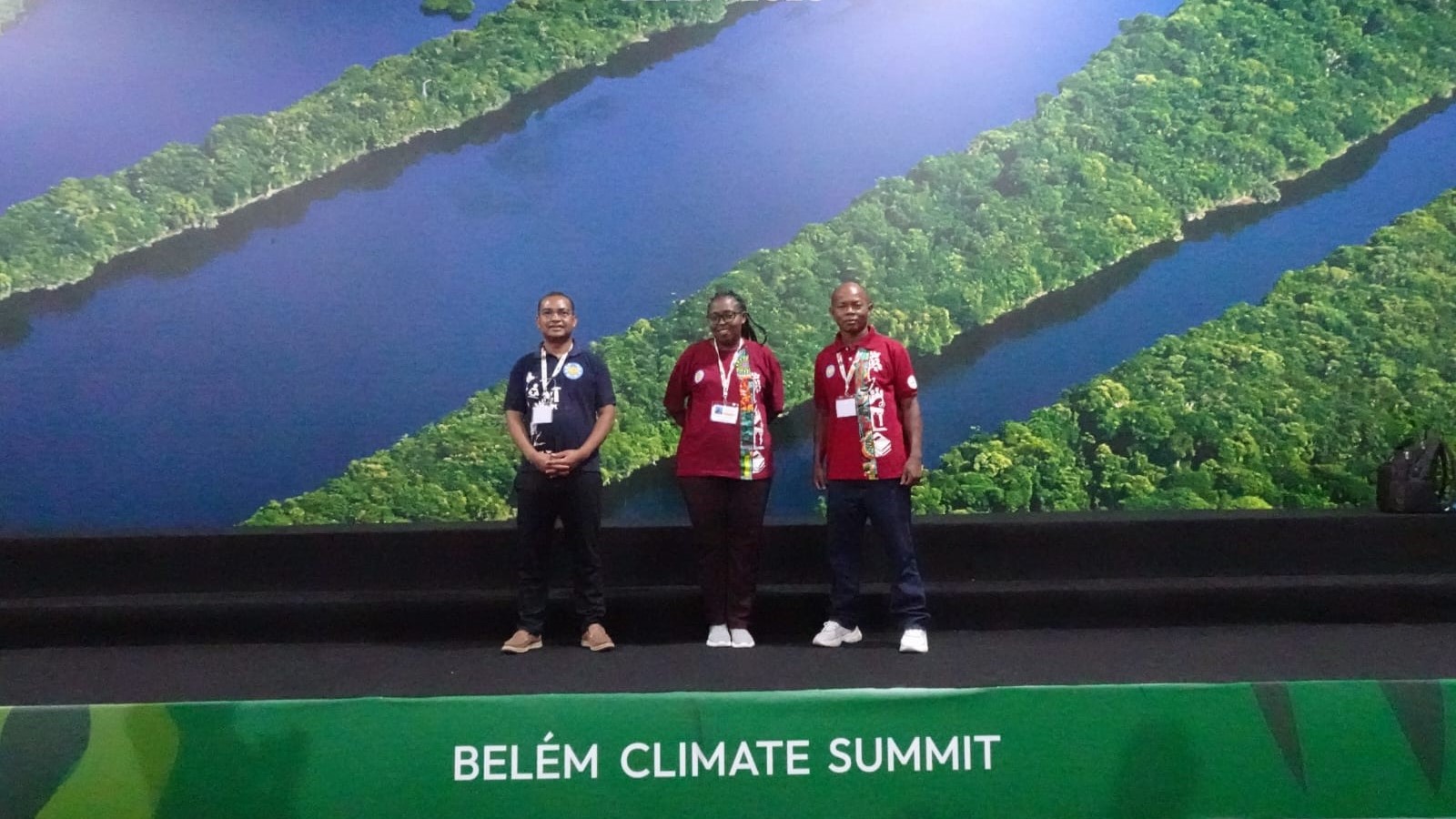
The COP30 climate talks are into their second week and our partners from the Centre Arrupe Madagascar have been on the ground in Brazil, raising awareness of environmental issues in their homeland and beyond. Here are their thoughts on what they’ve seen so far:
Patricia Tahirindray, Programme Coordinator

From the very first steps, that unique energy found only at COPs wrapped around me.
In the early-morning corridors, we were already crossing paths with an incredible diversity of actors: government representatives, international NGOs, young activists brimming with enthusiasm, scientists carrying vital data to defend, Indigenous communities holding the wisdom of their territories, and climate entrepreneurs offering concrete solutions.
Everyone was there for a shared purpose, even if their deeper motivations varied: to protect the planet, defend a people, carry the voice of a forgotten community, or simply avoid disappearing from the global climate narrative.
Everywhere—in the rooms and in the hallways—the same conviction emerged: climate change is no longer an abstraction. It is lived in cities that struggle to breathe, in villages that dry up or drown, on coastlines eaten away by rising seas, in rural and pastoral communities striving to adapt, and even in the invisible neighborhoods where vulnerability has become a daily reality.
What I’ve observed is a growing determination among actors—whether institutional, community-based, or from civil society—to stop reducing people to the status of “victims,” and instead recognise them as full-fledged agents of change.
There is a genuine will to turn this into action: strengthening knowledge, supporting financial autonomy, valuing local skills, and above all restoring dignity.
This first day showed not only what the international community wants to change, but also what it must change: putting people at the centre of decisions, recognising local expertise, upholding dignity, and directing funding where it can truly transform lives.
Ten years after the Paris Agreement, arriving here in Belém among this mosaic of actors from around the world still brings a renewed sense of hope.
Efa Ravelonantoandro, Programme Manager for Environment and Sustainable Development
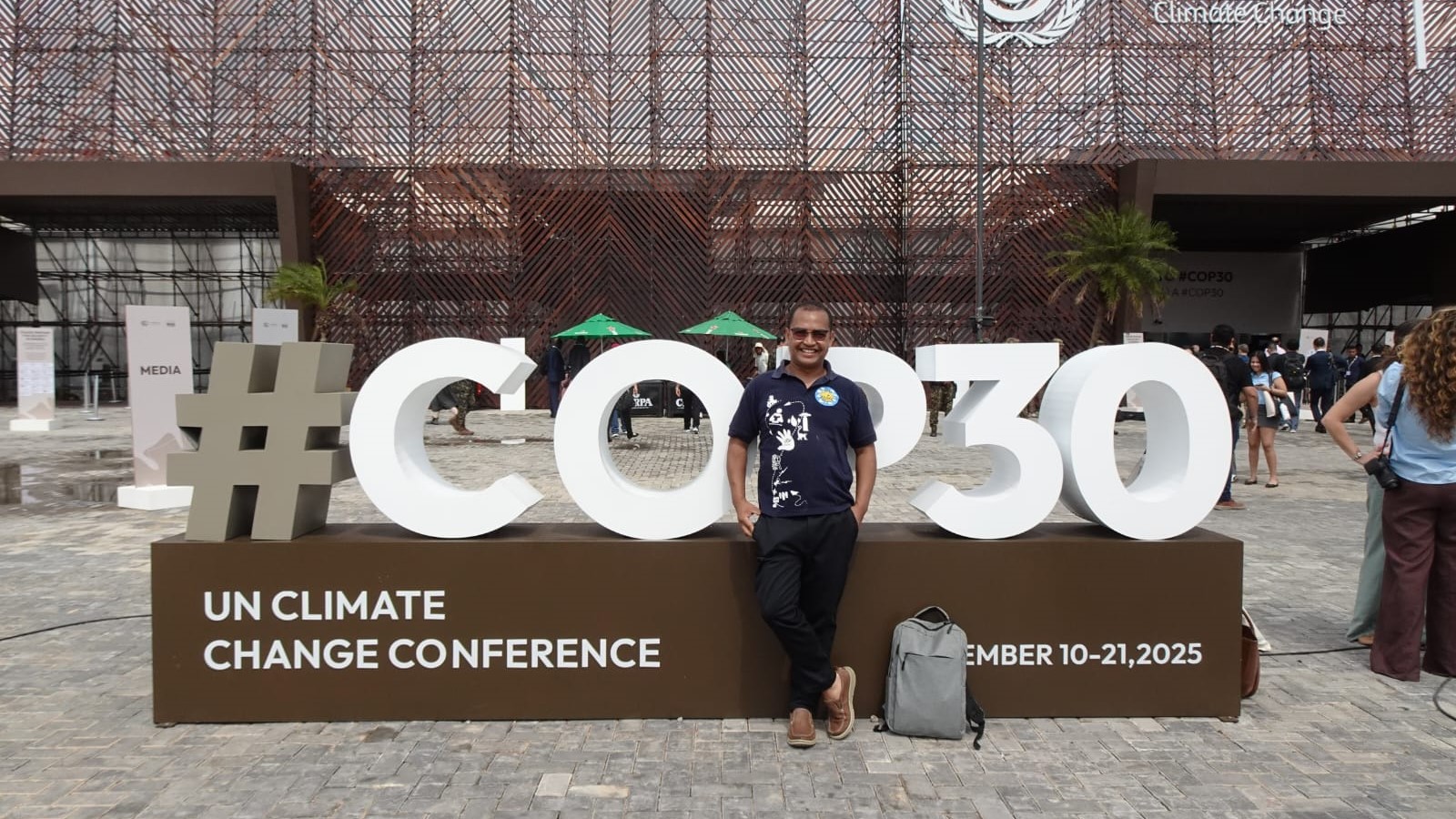
This COP is full of hope: the strong presence of Indigenous peoples from Amazonia brings powerful perspectives, many countries and civil society organisations are actively engaged, and the high number of Jesuit delegates from different regions gives additional energy to the collective efforts.
The conference has highlighted key dimensions of achieving a just energy transition through stronger, fairer financial and governance systems.
Speakers have stressed that many vulnerable countries face limited fiscal space, heavy debt burdens, and narrow tax bases, which restrict their ability to invest in renewable energy and social protection. They have called for long term and patient capital that supports both clean energy infrastructure and social welfare measures.
Examples such as North Macedonia’s blended green financing show how combining domestic funds with concessional capital can drive inclusive infrastructure development.
Several speakers have insisted on the need foe systematic reforms in the global architecture including improved debt workout mechanisms linked to just transition outcomes.
The discussions have emphasised that energy must remain affordable and accessible for low-income communities, especially in least developing countries (LDCs) and small Island developing states (SIDS).
More news
Jesuit Missions’ Companion in Hope supporters gather for Jubilee Mass
Jesuit organisations look back at the positives and negatives of COP30
How COP30 offered some signs of hope to climate-vulnerable countries