COP30 came to a close on Saturday (22 November), with the key agreements outlined in a document known as the Mutirão Decision.
What does this actual include? And what has been the reaction to the conference?
The Mutirão
Effectively the ‘collective efforts’ which all parties involved at COP have agreed to implement.
It includes:
- initiatives to strengthen emissions-cutting plans
- triple finance for climate adaptation measures
- establish a ‘mechanism’ to help ensure a just transition to renewable energy
- a set of measures to track climate adaptation efforts
Other decisions
A Gender Action Plan was approved, which seeks to gain a better understanding of gender inequality when it comes to climate action.
The Brazilian COP30 Presidency pledged to create ‘roadmaps’ for protecting the world’s forests and moving away from fossil fuel use. This will be organised away from COP, so will not require the agreement of all countries, only those who want to take action.
The first International Conference on a Just Transition Away from Fossil Fuels is set to be held in Santa Marta, Colombia, in April 2026, with Colombia and the Netherlands acting as co-hosts. This is in response to the absence of fossil fuels even being mentioned in the COP30 agreement. Representatives from more than 80 countries have expressed an interest in being involved in the breakaway talks.

What was missed?
The unwillingness to note that fossil fuels are linked to climate issues was the biggest talking point as the curtain came down in Belém.
This came about as many countries which make their money by producing oil or coal do not want to stop producing them. What’s more, many countries cannot afford to make the necessary changes and richer countries are still not willing to provide enough cash for them to do so.
Some have been critical of the COP process – the fact that all decisions have to be made by consensus, means one country’s disagreement is enough to prevent action.
What do we think?
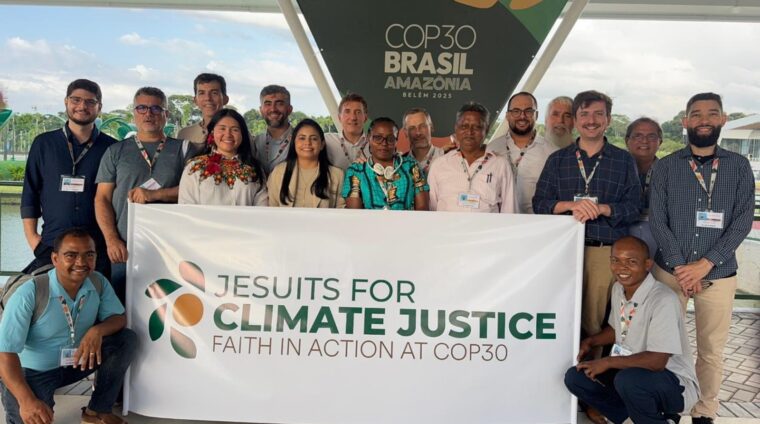
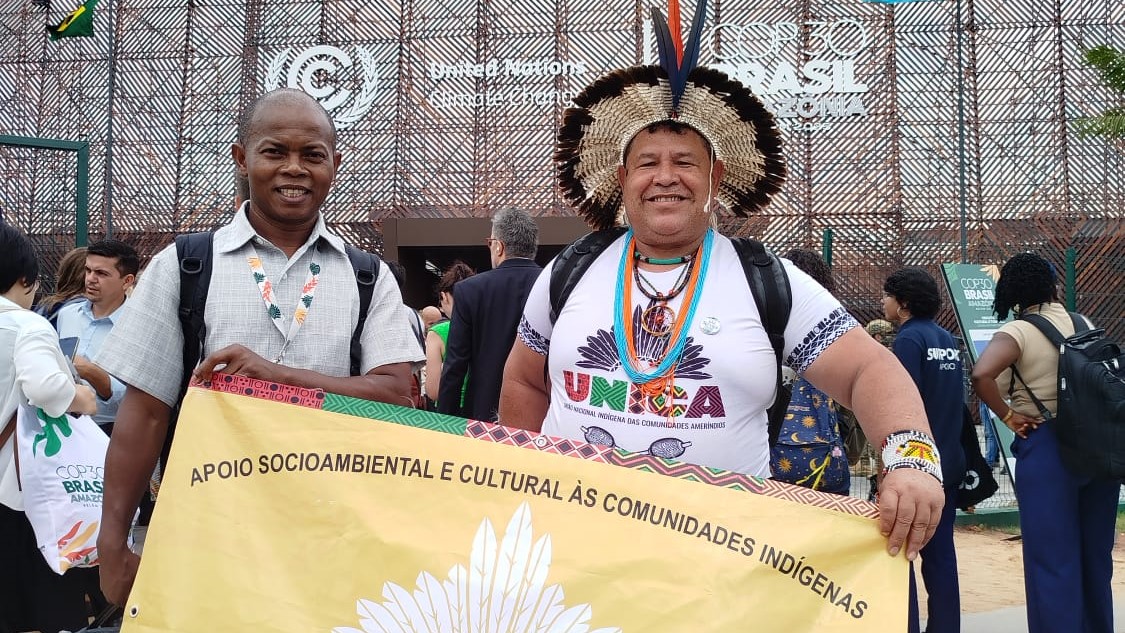
Jesuit Missions was firmly involved in COP30, working as part of the Jesuits for Climate Justice campaign group and supporting our partners from the Centre Arrupe Madagascar, who were on the ground in Brazil.
Richard Solly, Campaigns and Advocacy Adviser at Jesuit Missions, said: “COP30 did not achieve all that people hoped for.
“The need for consensus meant the final agreements were weak. Petro states do not want to stop producing oil and rich countries don’t want to provide the necessary money for poorer countries to make rapid changes.
“But despite that, there was some progress on carbon emissions cuts, funding for adaptation, and setting up a mechanism to bring about a just transition away from fossil fuels. A big group of countries will also work together on ending use of coal, oil and gas. So, there are signs of hope.
“And the massive presence of the Catholic Church at COP30 was a great source of joy. Pope Leo sent messages encouraging more effective action, cardinals and bishops from the Global South were present in number making calls for a just transition, and huge numbers of Catholics and Catholic organisations were involved in official and unofficial meetings and street protests.
“Jesuits were well represented and highly visible, joining in the united Catholic effort to bring change. It was truly inspiring.”
More news
Jesuit Missions’ Companion in Hope supporters gather for Jubilee Mass
Jesuit organisations look back at the positives and negatives of COP30
How COP30 offered some signs of hope to climate-vulnerable countries